
Integrated Infrastructure Capabilities
From Infrastructure Assessment and Applied Research to Policy Support and Technology Deployment
HPTech provides integrated engineering, scientific, research, and analytical services to federal agencies responsible for the nation’s infrastructure. Our work spans four interconnected areas—Practice, Research, Policy, and Technology Transfer—supporting infrastructure assessment, applied research, program evaluation, and implementation of innovative technologies.
Our multidisciplinary approach brings together engineering, physical and social sciences, planning, economics, and policy analysis to address complex infrastructure challenges from initial investigation through practical implementation.
Advanced Infrastructure Assessment, Monitoring, and Forensic Investigation
HPTech evaluates, assesses, and monitors the condition and performance of existing and new infrastructure, including bridges, highways, airfields, marine structures, buildings, water and wastewater facilities, power plants, and pipelines. Our services encompass condition assessments, structural evaluations, nondestructive evaluation (NDE), instrumentation and monitoring, forensic investigations, and recommendations for infrastructure repair and rehabilitation.
We emphasize innovative inspection and evaluation technologies that provide reliable and actionable information while minimizing disruptions to infrastructure operations and inconvenience to the public. Our approach integrates conventional engineering assessment methods with emerging technologies, including unmanned aircraft systems (UAS), robotic inspection platforms, advanced sensing technologies, and data-driven assessment methods.
John Coffee Memorial Bridge Evaluation
HPTech conducted NDE of the 36 tall piers of the mile-long John Coffee Memorial Bridge over the Tennessee River using UAS and a crawling robotic platform. These technologies helped address difficult access conditions in a challenging river environment. Results were validated through manually performed NDE and concrete cores that provided ground-truth information. The investigation informed recommendations for bridge restoration.
Federal Research Laboratory Management, Operations, and Applied Research
HPTech provides comprehensive management, operation, and maintenance of federal research laboratories, including responsibility for laboratory personnel, specialized equipment, instrumentation, research activities, and daily operations. Our work integrates laboratory management with research planning, technical execution, equipment upkeep, and quality and safety practices.
Our research encompasses advanced infrastructure materials, innovative testing and monitoring methods, improved design and construction practices, and emerging technologies such as nanotechnology, 3D printing, and connected and automated vehicles. We undertake analytical and experimental investigations, laboratory and field testing, and performance evaluations aimed at improving infrastructure safety, durability, and service life.
Reconstruction and Instrumentation of FHWA’s Pavement Testing Facility
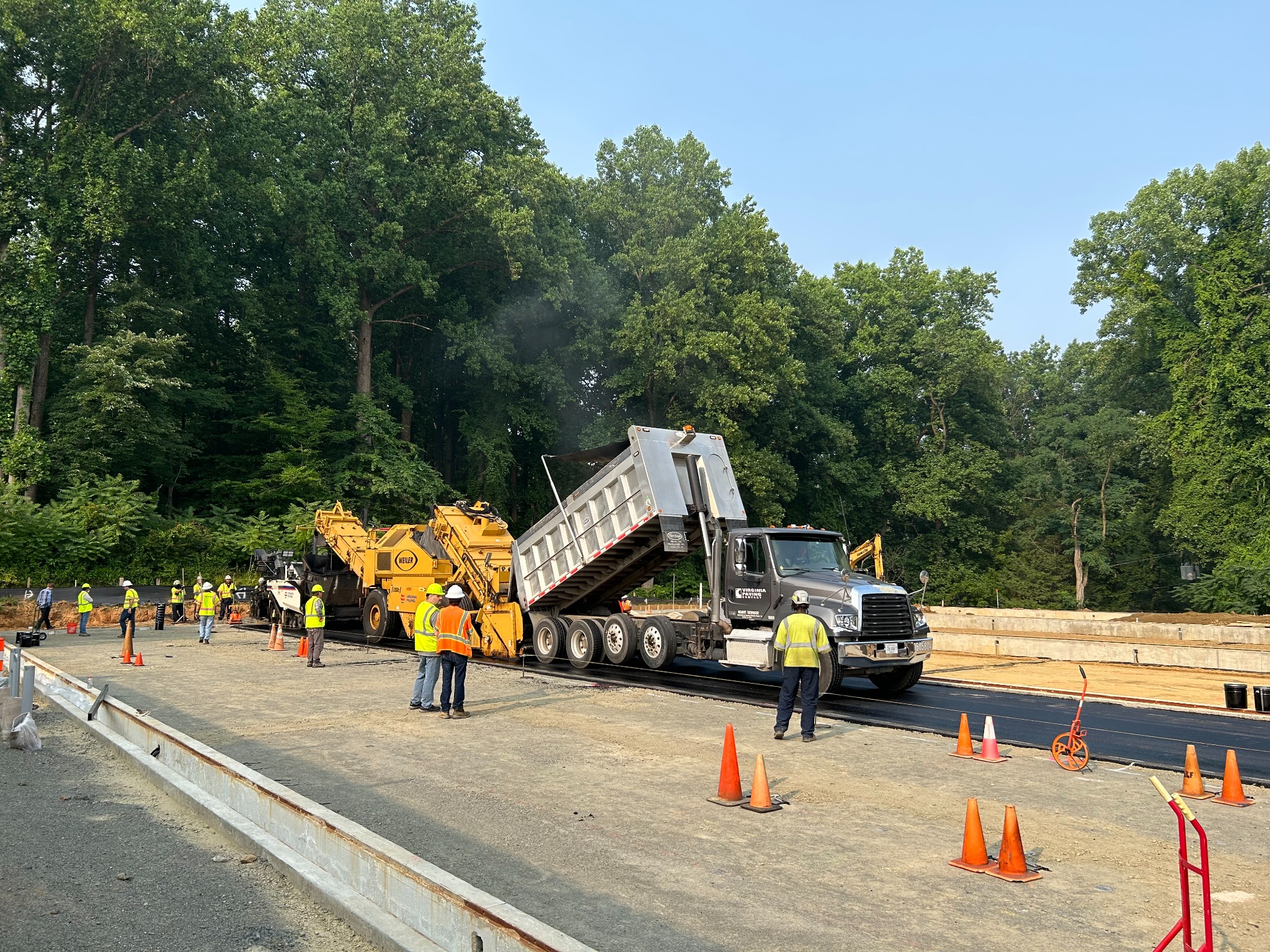
Under FHWA’s Geotechnical Laboratory Management and Operations Support Services contract, HPTech engineers and scientists contributed to the design development and preconstruction activities for the third-generation Pavement Testing Facility (PTF) at the Turner-Fairbank Highway Research Center (TFHRC). Their work addressed pavement design methodologies, resilience and drainage, geotechnical aspects of pavement structures, inverted pavement concepts, and instrumentation requirements.
HPTech supported development of the PTF instrumentation plan, including hundreds of soil strain gauges, earth pressure cells, and other sensors embedded in the test lanes. The work addressed sensor cable routing to weather-resistant monitoring cabinets for long-term data acquisition. HPTech also developed data nomenclature and formatting compatible with FHWA’s InfoMaterials portal and contributed to planning for data management and analytics. During reconstruction, HPTech deployed intelligent compaction technology for evaluation against laboratory and other field test results.
Research Program Evaluation, Impact Assessment, and Evidence-Based Decision Support

HPTech helps federal agencies evaluate research programs and develop evidence-based approaches to research planning, performance measurement, and resource allocation. Our services include impact evaluation strategies, logic models, performance indicators, stakeholder assessments, and analytical frameworks for examining how research activities, outputs, and technology deployment contribute to measurable outcomes. These capabilities support systematic assessment of research effectiveness and the development of performance information relevant to federal program management.
We combine engineering and scientific expertise with program evaluation, statistics, and policy analysis to organize and validate supporting evidence, assess research results, and communicate findings transparently. Our approach recognizes that changes in infrastructure practice often reflect the combined contributions of multiple research activities, technologies, and stakeholders. By documenting these contributions and their associated outcomes, HPTech helps federal agencies strengthen accountability, identify opportunities for improvement, and make informed research investment and program management decisions.
Developing an Impact Evaluation Strategy for Infrastructure Materials Laboratories
HPTech is developing an Impact Evaluation Strategy for FHWA’s Infrastructure Materials Laboratories (IMLs). The project assesses laboratory activities, catalogues research outputs and outcomes, examines stakeholder engagement and deployment pathways, and establishes an approach for evaluating research impacts.
The strategy includes logic models, performance indicators, output–outcome assessment frameworks, and a structured evidence base. Supporting databases and interactive dashboards are being developed to help FHWA track research performance and document outcomes over time. Together, these elements provide a systematic basis for understanding laboratory contributions and strengthening the evidence available for research program management.
Technology Evaluation, Economic Analysis, and Deployment Support
HPTech supports the progression of infrastructure innovations from technical validation toward practical use. Our technology transfer capabilities include readiness and performance assessment, implementation planning, technical communication, training, workshops, and engagement with agencies and other prospective users.
We evaluate not only whether a technology performs as intended, but also whether its benefits, costs, and implementation requirements support broader adoption. Economic evaluation complements technical assessment by helping decisionmakers compare alternatives and identify the conditions under which a research product may provide value.
Benefit-Cost Analysis of Infrastructure Materials Research
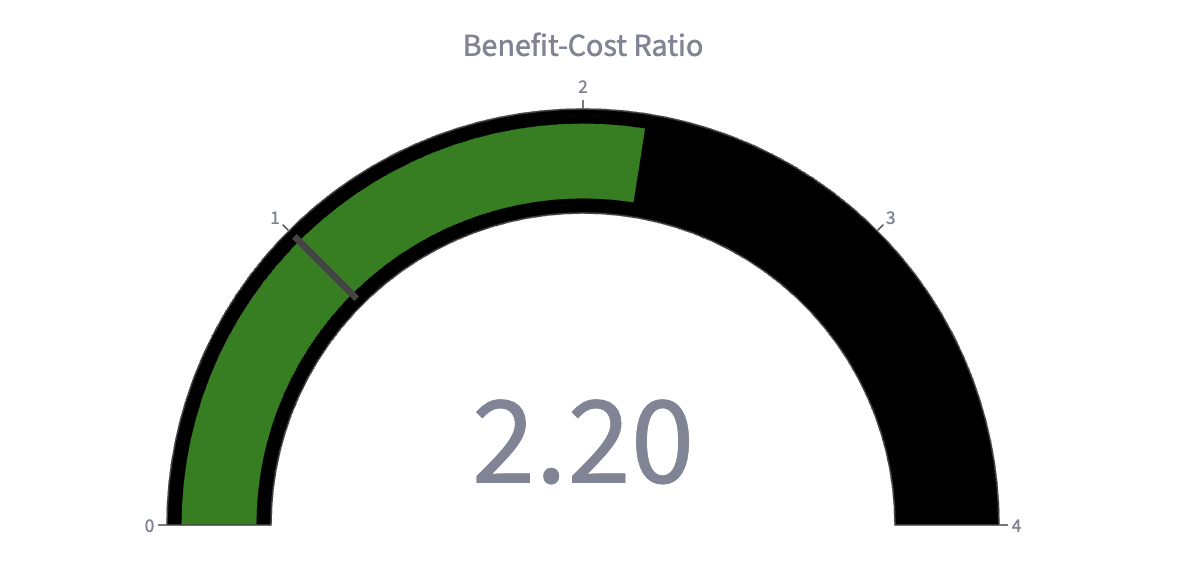
As part of the FHWA IML Impact Evaluation Strategy effort, HPTech is developing benefit-cost analysis (BCA) methodologies and analytical tools for selected laboratory research products and technologies. This work supports assessment of their potential economic value and informs deployment priorities. The analyses consider research and deployment costs alongside potential benefits such as reduced maintenance and rehabilitation expenditures, longer infrastructure service life, lower user costs, and other measurable impacts.
The approach applies present-value calculations, benefit-cost ratios, and sensitivity and scenario analyses to test assumptions about technology performance and adoption. These tools provide an economic perspective to complement technical validation, helping FHWA assess when and where promising technologies may merit further implementation.
From Research Needs to Implementable Solutions
HPTech connects infrastructure practice with applied research, program evaluation, and technology deployment. Field assessments identify needs; laboratory and field investigations test solutions; impact evaluation establishes evidence of research contributions; and technology transfer supports practical adoption. This integrated approach helps federal agencies move from identified infrastructure needs to research-informed, implementable solutions.
HPTech: From Concept to Implementable Solutions.